





Fanconi anemia type C is different from most conditions on a carrier screening panel; while it causes developmental and physical challenges in affected children, it also puts them at high risk for developing childhood cancer due to failing bone marrow. Genetic testing of the FANCC gene before or during pregnancy determines whether you carry a mutation that could affect your children.
What Is Fanconi Anemia Type C?
When someone has Fanconi anemia type C, their body cannot properly repair damaged DNA.¹ Without that repair function, bone marrow gradually loses its ability to produce healthy red blood cells, white blood cells, and platelets, which leads to anemia, infections, and bleeding problems.
Physical differences often appear early and can include short stature and other skeletal abnormalities, thumb or arm differences, kidney and heart issues, skin pigmentation changes, and a small head or eyes. While many affected children will have some of these manifestations, up to 40% of people with Fanconi anemia have no visible signs at all.² Because DNA repair is compromised throughout the body, people with Fanconi anemia also face a significantly higher risk of leukemia and bone marrow failure in childhood, along with an elevated risk of solid tumors as young adults.²
Many Different Types of Fanconi Anemia
FANCC is one of more than 20 genes associated with Fanconi anemia, and different genes can produce somewhat different patterns of severity and cancer risk.² This page focuses on FANCC, which is relevant to individuals with Ashkenazi Jewish ancestry and is included in the carrier screening jscreen offers.
BRCA1, BRCA2 and other hereditary breast and ovarian cancer genes are among the other genes that can cause Fanconi anemia. When someone tests positive for a mutation in any of these genes (which are associated with a personal risk of cancer), testing their reproductive partner is recommended to rule out reproductive risks for Fanconi anemia.
A Condition That Changes How Cancer Is Treated
Cancer related to Fanconi anemia can be difficult to treat because the body’s ability to repair DNA is compromised. People with Fanconi anemia are unusually sensitive to the chemotherapy drugs and radiation doses typically used to treat cancer and to prepare for a bone marrow transplant. Treatment plans need to be carefully modified, often with significantly reduced doses, to avoid life threatening complications.³
Bone marrow transplant is currently the only cure for the blood-related effects of Fanconi anemia, and outcomes have improved substantially as specialized centers have moved toward transplant protocols that reduce or eliminate radiation entirely.³ A transplant addresses the bone marrow failure, but it doesn't remove the elevated risk of solid tumors elsewhere in the body, which still require lifelong monitoring.³

Inheritance and Your Odds of Carrying the Gene
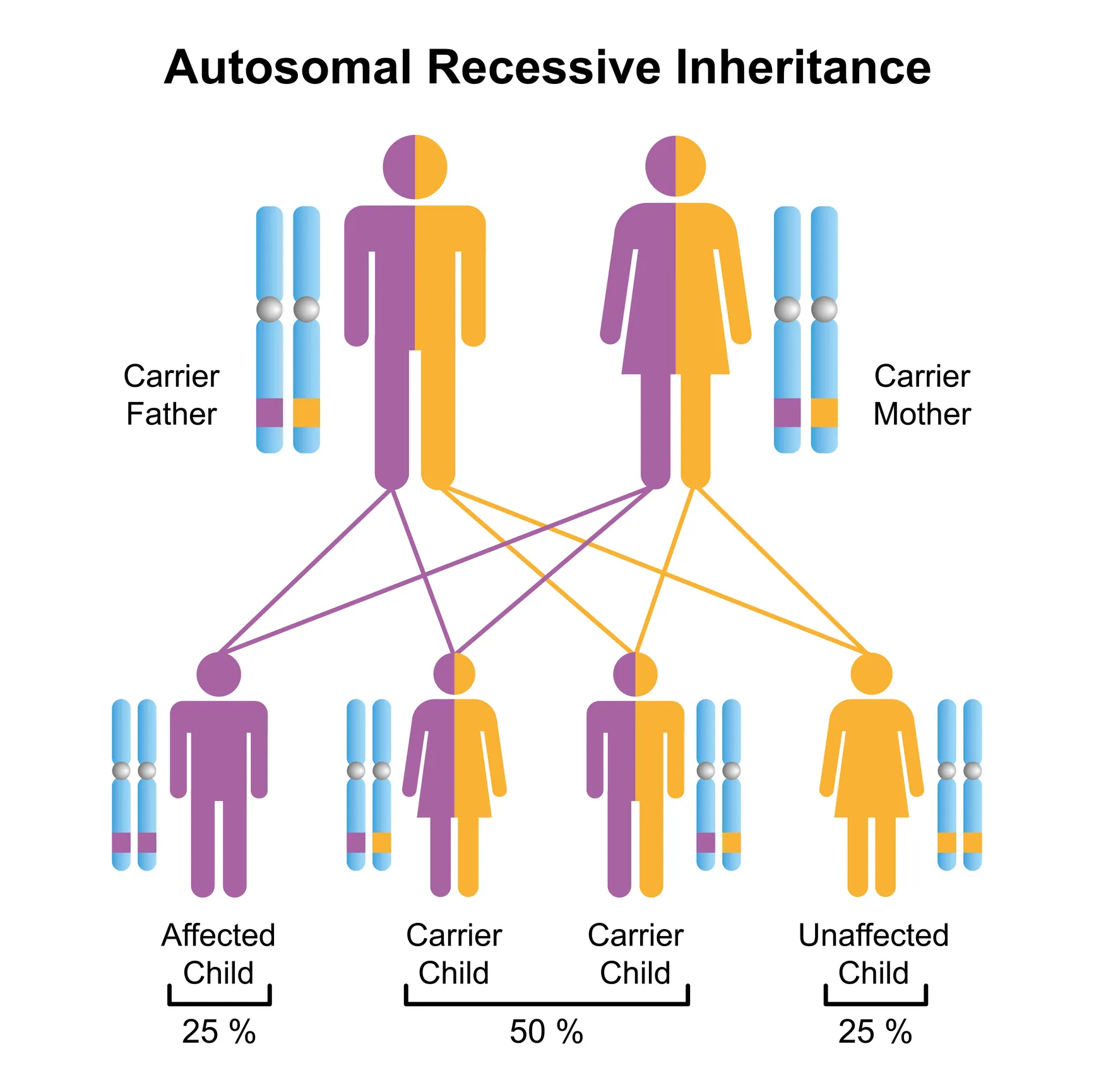
Fanconi anemia type C is inherited in a pattern called autosomal recessive. A carrier has one working copy of FANCC and one nonworking copy, and carriers have no symptoms related to the condition.¹ If both parents are carriers, each pregnancy has a 25% chance of the child inheriting both nonworking copies of the gene and being affected. There is also a 50% chance of the child being an unaffected carrier and a 25% chance of the child inheriting two working copies of the gene.¹
Carrier rates vary significantly by ancestry:
- Ashkenazi Jewish descent: about 1 in 90²
- General U.S. population: roughly 1 in 181²
Who Should Consider This Testing?
Anyone who is planning a pregnancy should test for Fanconi anemia, regardless of their ethnic background. If you’ve been screened in the past and are considering adding to your family, more updated testing may be recommended by a genetic counselor.
You Have Ashkenazi Jewish Ancestry
The carrier rate in this population is higher than average, which is often reason enough on its own, regardless of family history.
A Parent or Sibling Has Been Diagnosed With Fanconi Anemia or is a Carrier
Since many carriers have no family history to point to, learning that this condition runs in your immediate family is a meaningful reason to get screened.
Easy Steps from Home to Results

Order Your Kit
Register online and receive a saliva collection kit shipped directly to your home within a few days.

Collect Your Sample
Provide a saliva sample at home, following the instructions included in your kit.

Lab Analysis
Your sample is analyzed at a CLIA-accredited laboratory using DNA sequencing.

Receive Results
Receive your results within 3 to 4 weeks of your sample arriving at the lab. You can choose to schedule a complimentary consultation with a certified genetic counselor to review your findings, and we recommend that all individuals meet with a genetic counselor, regardless of their results.
Affordable Access for Everyone
Insurance Billing
Self-Pay Option
Understanding Your Results
Positive (Carrier)

A positive result means you carry one working copy and one nonworking copy of the FANCC gene.¹ You are not affected by Fanconi anemia and never will be, but you can pass the nonworking copy to a child. Carrier screening of your partner is recommended.
Negative Result

A negative result means that there is no detectable mutation in your FANCC gene and that there is a very low chance of being a carrier for Fanconi anemia type C.
If You and Your Partner Are Both Carriers
If both partners carry a change in FANCC, each pregnancy has a 25% chance of being affected.¹ A genetic counselor will review your options for family planning, including prenatal testing during a pregnancy, using assisted reproductive options to help avoid having an affected child, or choosing not to have biological children together.
Get Screened for Fanconi Anemia Type C
Frequently Asked Questions
Can you test for Fanconi anemia type C?
Yes. Genetic testing can be done before or during pregnancy, but is recommended prior to a pregnancy. Carrier screening checks whether you or your partner carry a change in FANCC, the gene linked to Fanconi anemia type C.
Is Fanconi anemia only a concern for Ashkenazi Jewish families?
No. While people with Ashkenazi Jewish ancestry have a higher chance to be a carrier, anyone can carry a mutation, regardless of ethnic background. Most carriers do not have a family history and often do not know their carrier status until testing is complete.
Why is cancer treatment different for someone with Fanconi anemia?
The same DNA repair failure associated with Fanconi anemia also makes standard doses of chemotherapy and radiation unusually dangerous, so treatment has to be specifically modified for people with this condition.³
How do you test for Fanconi anemia type C from home?
With a genetic carrier screen, the whole process happens from home. You order a kit online, provide a saliva sample using the instructions included, and mail it back using the prepaid materials in the kit. Your sample is analyzed at a CLIA-accredited laboratory, and results are typically available between 3 and 4 weeks.
What happens if my partner and I are both carriers?
Each pregnancy would have a 25% chance of being affected.¹ Most people work with a genetic counselor to talk through their options, which can include prenatal diagnostic testing during a current pregnancy, or other family planning approaches if you haven't conceived yet.
References
- Fanconi Anemia Type C. Norton & Elaine Sarnoff Center for Jewish Genetics. Last updated October 12, 2023. Accessed August 25, 2026.
https://www.jewishgenetics.org/genetic-disorders/search-genetic-disorders/fanconi-anemia-type-c/ - Diagnosis of Fanconi Anemia: Testing and Genetic Counseling. Fanconi Cancer Foundation. Chapter updated in 2026. Accessed August 25, 2026.
https://fanconi.org/clinical-care-guidelines/diagnosis-of-fanconi-anemia-testing-and-genetic-counseling/ - Clinical Care of Fanconi Anemia Hematologic Issues. Fanconi Cancer Foundation. Last updated May 6, 2025. Accessed August 25, 2026.
https://fanconi.org/clinical-care-guidelines/clinical-care-of-fanconi-anemia-hematologic-issues/