
Jscreen & You

What I Wish I’d Known Sooner: Discovering My Genetic Cancer Risk and the Power of Early Awareness

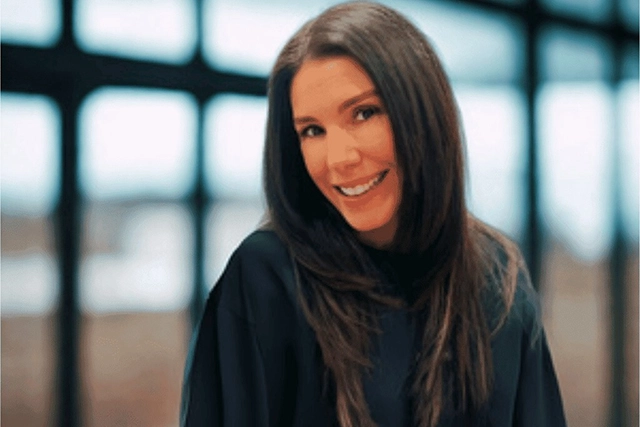
photo of joanna lackaye

Author: Joanna Lackaye

I am a mother. Being healthy has always felt like part of that responsibility. I ate well, exercised regularly, followed my doctor’s recommendations and went to my annual check ups. I paid attention to my body. I trusted that if I were ever at risk for something serious, someone would let me know.

For all I knew, my genetic cancer risk was low. I believed health risks didn’t apply to me without a clear family history of cancer or obvious symptoms. It was a comforting belief - one that felt reasonable, responsible… safe.

The Hidden Reality of Genetic Cancer Risk

I’ve since learned that belief was an illusion - one I was fortunate enough to uncover in time, while I still had the ability to seize control of the future of my health. I didn’t realize that hereditary cancer risk can quietly exist in families, unnoticed, until a crisis hits. I discovered this the hard way in 2017, when my dad was diagnosed with pancreatic cancer. I remember that time vividly; my entire family was struck with shock, disbelief and the sudden awareness that life can change in an instant.

Understanding the BRCA2 Gene Mutation

That pancreatic cancer diagnosis led to genetic testing of my dad at age 71, which revealed that he carried a mutation in the BRCA2 gene which increases risk for pancreatic, breast, ovarian, prostate, and even skin cancers. Suddenly, his diagnosis became something that didn’t just impact his health, but potentially could affect generations to come. He was able to notify his siblings and children that we, too, could be at risk. At that moment, I realized that family health history and genetics don’t exist behind a curtain - they can impact the future of an entire family.

Why Ancestry and Ashkenazi Jewish Ancestry Matter

When I realized I might have a higher hereditary cancer risk, I reached out to a genetic counselor. Through that process, I learned more about our family history of cancer and also about the role of ancestry. I hadn’t realized that my Ashkenazi Jewish roots should have raised a red flag long before 2017. No doctor had ever asked. That meant my dad and I could have known our risk long before cancer ever appeared. In the Jewish community, the prevalence of BRCA mutations is significantly higher, yet many remain unaware of the need for genetic cancer risk testing.

Facing a Positive BRCA2 Result: From Fear to Empowerment

Knowing that I had the possibility of carrying the same BRCA2 mutation as my dad caused fear to set in. But for me, not knowing my risk, and not being able to act, was an implausible unknown. Still, I wrestled with the questions: What would a positive diagnosis mean for me? For my children? For the decisions I would have to make about my future?

When I received my BRCA2 positive results, I was in shock. I was completely overwhelmed by the sudden influx of information: multiple new doctors, cancer screenings to schedule, and the weight of understanding risks, statistics, and different paths to take. But as I met with doctors and gathered information, my fear began to shift. Fear became understanding; confusion became options. My diagnosis was not a verdict - it was the beginning of a journey where I had choices.

Managing Cancer Risk Through Surveillance and Prophylactic Surgery

The presence of a BRCA2 mutation doesn’t mean cancer is inevitable - only that the likelihood of developing certain cancers, like hereditary breast, ovarian, pancreatic, prostate, or melanoma, is higher than in the general population. Knowing I carried a mutation meant I could choose how to fight back, before it had a chance to take hold. This was a diagnosis of risk, not disease - one that could be monitored, managed, and in some cases reduced. Learning that distinction changed everything. My future wasn’t written in stone, and I could work with my doctors to protect my health on my own terms.

For the first couple of years, cancer surveillance and high-risk monitoring gave me peace of mind. I continued to follow research and explore my long-term options. For many people, monitoring is a safe and effective approach to a BRCA2 positive diagnosis, and it allowed me to take the time I needed to make careful decisions that aligned with my family, my lifestyle, and my sense of safety.

After years of contemplation, I decided the best path for me was to move forward with several prophylactic surgeries to greatly reduce my risk for breast cancer and eliminate my risk for ovarian cancer. These were not easy decisions. They were informed by my experience with monitoring, my understanding of control and safety, and my desire for long-term peace of mind and self-advocacy in healthcare. The process of deciding, undergoing surgery, healing, and moving forward was thoughtful and intentional. These decisions were mine - my control over the outcome, my power, my health journey, my future.

The Power of Early Awareness and Genetic Counseling

Today, after six surgeries, I feel more whole and stronger than ever. I am confident in the choices I made and feel secure in the path I created to protect myself. But there are things I wish I had known sooner, and I feel compelled to share my story so others can access information I didn’t have until a crisis emerged. One key lesson stands out: ancestry matters. Being of Ashkenazi Jewish descent increases the likelihood of carrying mutations in both BRCA1 and BRCA2, and people in higher-risk populations may benefit from early genetic counseling - even before a family diagnosis.

I wish I had known that my potential hereditary cancer risk could have been assessed long before my dad’s diagnosis. Ancestry alone is reason enough to ask questions about genetic testing for cancer risk — you don’t need a crisis to justify curiosity. And even though learning your hereditary cancer risk status can be scary, early knowledge creates more options, not fewer, and gives you control over your decisions. Control is power. Early awareness and self-advocacy are the keys to creating that possibility.

How to Take the First Step: Resources for Genetic Testing

The first step in taking control of your health is understanding your risk. Talk to your family, know your health history, and if there’s any concern, reach out to a genetic counselor. Genetic counseling provides information, guidance, and support in a world of unfamiliar terms, protocols, and choices - not pressure. Services like jscreen make it easy to access at-home genetic testing and guidance, allowing you to make informed, patient-initiated decisions about your health. Don’t wait - the outcome will be knowledge, understanding, and the ability to take action, regardless of the ultimate need for testing, diagnosis, or a treatment plan.

A Legacy of Knowledge and Action

For me, the importance of early knowledge became clear through my father’s experience. His diagnosis and treatment for pancreatic cancer could have ended very differently, but because he asked questions, pushed for answers, and had doctors who acted quickly, his cancer was caught early. Detecting his BRCA2 mutation in the process didn’t just save his life - it showed me how to take action and learn about my genetic cancer risk before a crisis occurs in my own health.

Five years ago, after he recovered, my parents started a new tradition: taking our entire family on one big trip every year. Those trips aren’t just vacations - they’re time we might not have had. Time to be together, to build memories, and to enjoy life in the moment.

What I’ve come to realize is that my dad didn’t just provide me with information - he gave me a gift: the knowledge of my genetic risk, and with it, the power to take action. He showed me what it looks like to advocate for yourself in healthcare, ask questions, and turn that knowledge into choices that you take charge of. His persistence changed the course of his own health and gave me the chance to make informed decisions about mine. Because of that knowledge, I was able to take control of my future - and I hope others realize that knowing can be the start of their own story on their own terms, a power that belongs to anyone willing to seek it.

Author: Joanna Lackaye

I am a mother. Being healthy has always felt like part of that responsibility. I ate well, exercised regularly, followed my doctor’s recommendations and went to my annual check ups. I paid attention to my body. I trusted that if I were ever at risk for something serious, someone would let me know.

For all I knew, my genetic cancer risk was low. I believed health risks didn’t apply to me without a clear family history of cancer or obvious symptoms. It was a comforting belief - one that felt reasonable, responsible… safe.

The Hidden Reality of Genetic Cancer Risk

I’ve since learned that belief was an illusion - one I was fortunate enough to uncover in time, while I still had the ability to seize control of the future of my health. I didn’t realize that hereditary cancer risk can quietly exist in families, unnoticed, until a crisis hits. I discovered this the hard way in 2017, when my dad was diagnosed with pancreatic cancer. I remember that time vividly; my entire family was struck with shock, disbelief and the sudden awareness that life can change in an instant.

Understanding the BRCA2 Gene Mutation

That pancreatic cancer diagnosis led to genetic testing of my dad at age 71, which revealed that he carried a mutation in the BRCA2 gene which increases risk for pancreatic, breast, ovarian, prostate, and even skin cancers. Suddenly, his diagnosis became something that didn’t just impact his health, but potentially could affect generations to come. He was able to notify his siblings and children that we, too, could be at risk. At that moment, I realized that family health history and genetics don’t exist behind a curtain - they can impact the future of an entire family.

Why Ancestry and Ashkenazi Jewish Ancestry Matter

When I realized I might have a higher hereditary cancer risk, I reached out to a genetic counselor. Through that process, I learned more about our family history of cancer and also about the role of ancestry. I hadn’t realized that my Ashkenazi Jewish roots should have raised a red flag long before 2017. No doctor had ever asked. That meant my dad and I could have known our risk long before cancer ever appeared. In the Jewish community, the prevalence of BRCA mutations is significantly higher, yet many remain unaware of the need for genetic cancer risk testing.

Facing a Positive BRCA2 Result: From Fear to Empowerment

Knowing that I had the possibility of carrying the same BRCA2 mutation as my dad caused fear to set in. But for me, not knowing my risk, and not being able to act, was an implausible unknown. Still, I wrestled with the questions: What would a positive diagnosis mean for me? For my children? For the decisions I would have to make about my future?

When I received my BRCA2 positive results, I was in shock. I was completely overwhelmed by the sudden influx of information: multiple new doctors, cancer screenings to schedule, and the weight of understanding risks, statistics, and different paths to take. But as I met with doctors and gathered information, my fear began to shift. Fear became understanding; confusion became options. My diagnosis was not a verdict - it was the beginning of a journey where I had choices.

Managing Cancer Risk Through Surveillance and Prophylactic Surgery

The presence of a BRCA2 mutation doesn’t mean cancer is inevitable - only that the likelihood of developing certain cancers, like hereditary breast, ovarian, pancreatic, prostate, or melanoma, is higher than in the general population. Knowing I carried a mutation meant I could choose how to fight back, before it had a chance to take hold. This was a diagnosis of risk, not disease - one that could be monitored, managed, and in some cases reduced. Learning that distinction changed everything. My future wasn’t written in stone, and I could work with my doctors to protect my health on my own terms.

For the first couple of years, cancer surveillance and high-risk monitoring gave me peace of mind. I continued to follow research and explore my long-term options. For many people, monitoring is a safe and effective approach to a BRCA2 positive diagnosis, and it allowed me to take the time I needed to make careful decisions that aligned with my family, my lifestyle, and my sense of safety.

After years of contemplation, I decided the best path for me was to move forward with several prophylactic surgeries to greatly reduce my risk for breast cancer and eliminate my risk for ovarian cancer. These were not easy decisions. They were informed by my experience with monitoring, my understanding of control and safety, and my desire for long-term peace of mind and self-advocacy in healthcare. The process of deciding, undergoing surgery, healing, and moving forward was thoughtful and intentional. These decisions were mine - my control over the outcome, my power, my health journey, my future.

The Power of Early Awareness and Genetic Counseling

Today, after six surgeries, I feel more whole and stronger than ever. I am confident in the choices I made and feel secure in the path I created to protect myself. But there are things I wish I had known sooner, and I feel compelled to share my story so others can access information I didn’t have until a crisis emerged. One key lesson stands out: ancestry matters. Being of Ashkenazi Jewish descent increases the likelihood of carrying mutations in both BRCA1 and BRCA2, and people in higher-risk populations may benefit from early genetic counseling - even before a family diagnosis.

I wish I had known that my potential hereditary cancer risk could have been assessed long before my dad’s diagnosis. Ancestry alone is reason enough to ask questions about genetic testing for cancer risk — you don’t need a crisis to justify curiosity. And even though learning your hereditary cancer risk status can be scary, early knowledge creates more options, not fewer, and gives you control over your decisions. Control is power. Early awareness and self-advocacy are the keys to creating that possibility.

How to Take the First Step: Resources for Genetic Testing

The first step in taking control of your health is understanding your risk. Talk to your family, know your health history, and if there’s any concern, reach out to a genetic counselor. Genetic counseling provides information, guidance, and support in a world of unfamiliar terms, protocols, and choices - not pressure. Services like jscreen make it easy to access at-home genetic testing and guidance, allowing you to make informed, patient-initiated decisions about your health. Don’t wait - the outcome will be knowledge, understanding, and the ability to take action, regardless of the ultimate need for testing, diagnosis, or a treatment plan.

A Legacy of Knowledge and Action

For me, the importance of early knowledge became clear through my father’s experience. His diagnosis and treatment for pancreatic cancer could have ended very differently, but because he asked questions, pushed for answers, and had doctors who acted quickly, his cancer was caught early. Detecting his BRCA2 mutation in the process didn’t just save his life - it showed me how to take action and learn about my genetic cancer risk before a crisis occurs in my own health.

Five years ago, after he recovered, my parents started a new tradition: taking our entire family on one big trip every year. Those trips aren’t just vacations - they’re time we might not have had. Time to be together, to build memories, and to enjoy life in the moment.

What I’ve come to realize is that my dad didn’t just provide me with information - he gave me a gift: the knowledge of my genetic risk, and with it, the power to take action. He showed me what it looks like to advocate for yourself in healthcare, ask questions, and turn that knowledge into choices that you take charge of. His persistence changed the course of his own health and gave me the chance to make informed decisions about mine. Because of that knowledge, I was able to take control of my future - and I hope others realize that knowing can be the start of their own story on their own terms, a power that belongs to anyone willing to seek it.

Share this post

link iconLinkedin iconx logofacebook logo
Jscreen & You

Interested in Screening?

Jscreen & You
See the Tests >

Discover the latest research findings

Stay informed with our newsletter and get access to exclusive content.